

I asked ChatGPT to help me write the introduction for this blog post, and here’s one of its suggestions:
Amidst the winter’s icy grip, the digital realm transforms into a snowstorm of seasonal content, where the constant flurry of familiar themes threatens to chill readers with a frosty monotony.
Yuck!
I’m sure anyone would agree with me on this:
Winter seasonal content is the ultimate winner in the game of “how to bore your audience with tired clichés.”
But even though it’s long past winter now, we can still spot seasonal content all around us. And a lot of times, it’s just the same old ideas that lack creativity and value. From Mother’s Day gift guides to Black Friday madness, users are becoming immune to repetitive marketing messages and bland calls to action.
But is there a way to create seasonal content that stands out?
Seasonal Content Marketing in a Nutshell
Let’s start with defining seasonal content.
To put it simply, content is seasonal when it revolves around a specific season, event, or holiday.
When done properly, seasonal content can help you attract new customers and re-engage existing ones. It’s a great way to enhance your brand’s online visibility, stay relevant in your niche, and boost sales.
Unfortunately, many businesses today focus too much on the latter, which results in an overabundance of low-quality marketing campaigns that send negative, salesy messages.
So, how do you create seasonal content that resonates with your audience and outshines your competitors? Let me share a few tips based on real-life examples.
#1 Don’t Push Products, Share Inspiration
During major holidays, businesses often bombard their audiences with product promotions. If you want to go a different route, try adopting a more subtle strategy and offer valuable content that goes beyond sales.
Take, for instance, Joe & Bella, an adaptive clothing brand catering to older adults. See how they shift the focus from selling to inspiring with their list of Mother’s Day celebration ideas.

Rather than pushing their products, they craft a compelling narrative, resonating with their target audience on a deeper level.
Note that listicles and roundups are proven formats favored by both users and search engines alike. So, while your competitors generate endless holiday gift guides, which are basically lists of product links, you can stand out by sharing lists of inspirational celebration ideas instead.
If you already have a lot of relevant content around specific times of the year, you can put it into a long, curated list like this food blog did in their Thanksgiving Sides Roundup.
#2 Don’t Confine Yourself to Traditional Seasons and Events
Every day is a holiday, literally.
From International Harry Potter Day to World Post Day, opportunities for content ideas are endless. So, don’t just follow the crowd; aim to bring a fresh perspective and link your content to current events and topics that are relevant to your target audience.
If the connection between your brand and the seasonal topic doesn’t come naturally — don’t force it. See what else is going on in the world that your audience may find interesting.
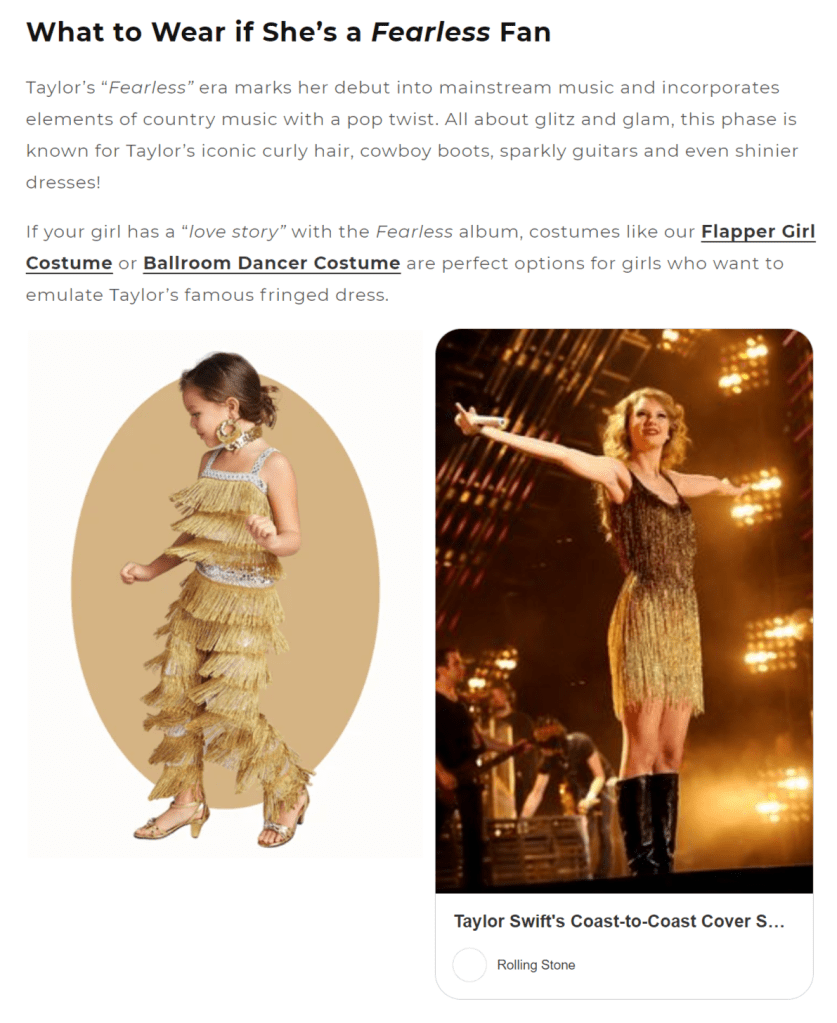
Remember the epic success of Taylor Swift’s Eras tour last year? Take a look at how the UK-based children’s clothing boutique Chasing Firefly used this event to create a practical Taylor-themed guide for little fashionistas, demonstrating a keen understanding of their audience’s interests.
Even content around the traditional seasons and major holidays can be improved with a similar approach:
Look for something relevant to this season. What makes this summer, Halloween, or Christmas different?
I like to use news media for inspiration, e.g., Time Magazine, BBC, or The New York Times, as they’re always on track with the most recent trends and events. For example, last October, I read a BBC article about Burger King still operating in Russia. That gave me the idea to research large candy brands making profits in Russia despite their pledges to scale back after the Russian invasion of Ukraine. It resulted in a nice Halloween-themed article for my gift-related blog.
#3 Look for Ways to Create Meaningful Engagements
I love how arts & crafts retailer Michael’s dedicated the entire website section to DIY projects. It’s always packed with craft ideas relevant to the current season. For example, at the time of writing this article, this section features Mother’s Day gift projects and Graduation Cap DIYs.
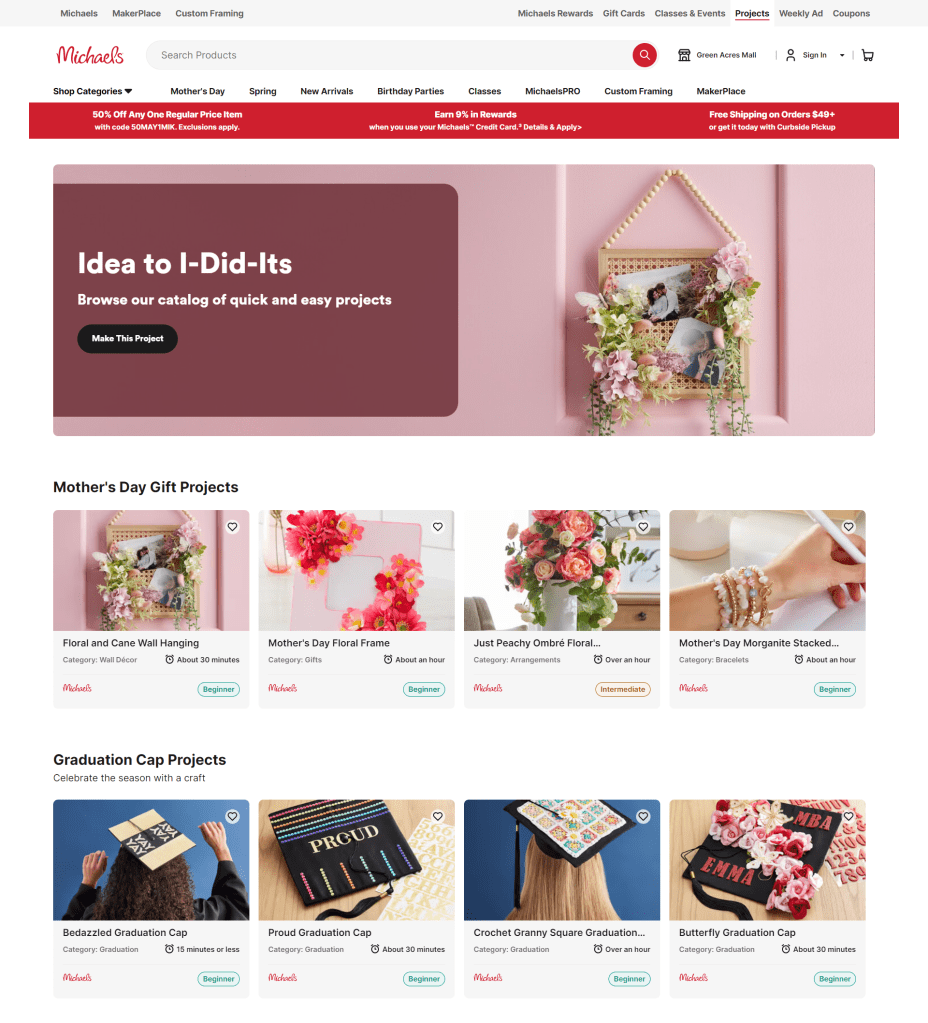
Each project is a detailed step-by-step craft guide that includes a list of materials and tools needed, with a quick “add to cart” button for each product, making it easy for customers to place orders and, consequently, boosting seasonal sales.
Similarly to Michael’s, you can engage your audience in meaningful activities related to the current season. If you provide decluttering services, don’t just write another spring clean guide article; set up an Instagram spring clean challenge instead. If you’re a fitness studio, don’t settle for seasonal workout tips; create a spring/summer/fall/winter fitness bingo instead:

Polls, quizzes, games, and other interactive types of content can be made seasonal and tailored to your brand as well. They all offer great ways to give value to your audience and build trust while boosting your website’s SEO by reducing bounce rate.
#4 Leverage Your Brand’s Values
Amidst all the seasonal buzz, it’s crucial to make sure your content aligns with your company’s mission and core values.
For example, if your brand promotes an eco-conscious lifestyle, you can turn the spotlight on eco-friendly practices related to holiday celebrations. Check out how the sustainable men’s apparel brand State of Matter does this in their article on celebrating the 4th of July sustainably.

Similarly, if you’re a wellness brand focused on self-care, you could offer stress-relief tips to survive the winter holiday season without burning out. If you’re a tech startup committed to digital privacy and data security, create seasonal content that educates consumers about protecting their online privacy during peak holiday shopping seasons.
By incorporating your brand’s identity into seasonal content, you’re not just promoting products or services — you’re fostering a connection with your audience based on shared values, making your brand not just a business but a companion on their journey.
Conclusion
As digital marketing trends continue to evolve, mastering seasonal content can’t be just about driving sales anymore — it’s all about building relationships that last. To avoid creating another piece of bland, vapid content, steer clear of thinly veiled sales pitches and clichés, look for unconventional seasonal opportunities, focus on meaningful engagement, and line it all up with your core values.
And if you need fresh ideas for your seasonal content marketing strategy, feel free to reach out to me.
 Yuliia Hryhorova
Leave a comment